


Hey there, busy dads. If you’ve ever thought about starting a YouTube channel but immediately laughed at the idea because who actually has the time to do that, I get it.
That’s precisely why Part-Time YouTuber Academy caught my attention. It’s built for people who want to grow on YouTube without quitting their day job or flipping their whole life upside down.
Right now, a lot of us are trying to build a side income or a personal brand while still working 9 to 5 and keeping the kids alive.
The promise of PYTA is pretty simple. It teaches a repeatable system so I can show up consistently without fancy gear or burning myself out.
What I really wanted to know was this. Is PYTA actually worth it if you’re already stretched thin, or is it just another course you start with good intentions and never finish? That’s what I’m digging into here. No hype, no vague praise, just an honest look.
I’m focusing on the stuff that matters when time is limited, how big the time commitment really is, how realistic it is to finish, and what kind of results someone like me can expect. Because if it doesn’t fit into real life, it’s not going to work.
If you’re structured, self-motivated, and can give a few hours a week, PYTA can make growing on YouTube feel way more doable.
By the end, you’ll know if PYTA fits your schedule, your personality, and what you actually want out of YouTube.
Part-Time YouTuber Academy, or PYTA, is a self-paced online course created by Ali Abdaal and his team.
I looked into it because it’s clearly made for people like me who want to grow a YouTube channel without quitting a full-time job or rearranging their whole life.
The course has been around for a while, but it’s still updated to match how YouTube works now, including the 2026 algorithm changes and newer tools.
That part mattered to me because there’s nothing worse than learning from something that already feels outdated.
The main course includes over 20 hours of video lessons. It walks you through everything step by step, from setting up a channel to monetization and even building a small team.
The goal isn’t just posting videos for fun, but turning a channel into something that actually makes sense long term.
On top of that, there are bonus modules with about 16 more hours of training. These cover topics such as camera gear, simple studio setups, repurposing content, building a community, and using a newsletter alongside YouTube.
I liked that I could dip into these when I needed them instead of feeling like I had to do everything at once.
You also get lifetime access, which honestly takes a lot of pressure off. I can come back to the lessons as my channel grows or when life calms down a bit.
One thing that really stands out is the productivity system. PYTA gives you checklists, frameworks, and templates made specifically for people with limited time.
It’s designed to help you stay consistent without feeling overwhelmed. The H.I.V.E.S framework, for example, enables you to write engaging scripts faster, which is a huge win when time is tight.
There are also resources for coming up with video ideas, outsourcing editing, and figuring out what actually makes your channel different.
Plus, you get access to interviews with prominent creators like Mrwhosetheboss and Matt D’Avella, who together have over 36 million subscribers. Hearing how they work behind the scenes felt surprisingly grounding.
In 2026, PYTA is fully self-paced with no live cohort pressure. Everything is available right away, and I can move through it at my own speed. For me, that flexibility is key, especially when family life and work don’t always follow a neat schedule.
From what I’ve seen, PYTA delivers the most value in 2026 if you’re a busy professional who can realistically commit about five to seven hours a week. That’s the sweet spot. What you’re really paying for are the systems.
Things like scripting and thumbnails stop being a guessing game, which saves a ton of time compared to bouncing between random free tutorials.
For me, the verdict is pretty straightforward if you fit a specific profile.
You’ve got a full-time job, a clear niche in mind, maybe productivity, career advice, or something you already talk about a lot. You’d rather follow guided templates than fall into endless YouTube rabbit holes and call it “research.”
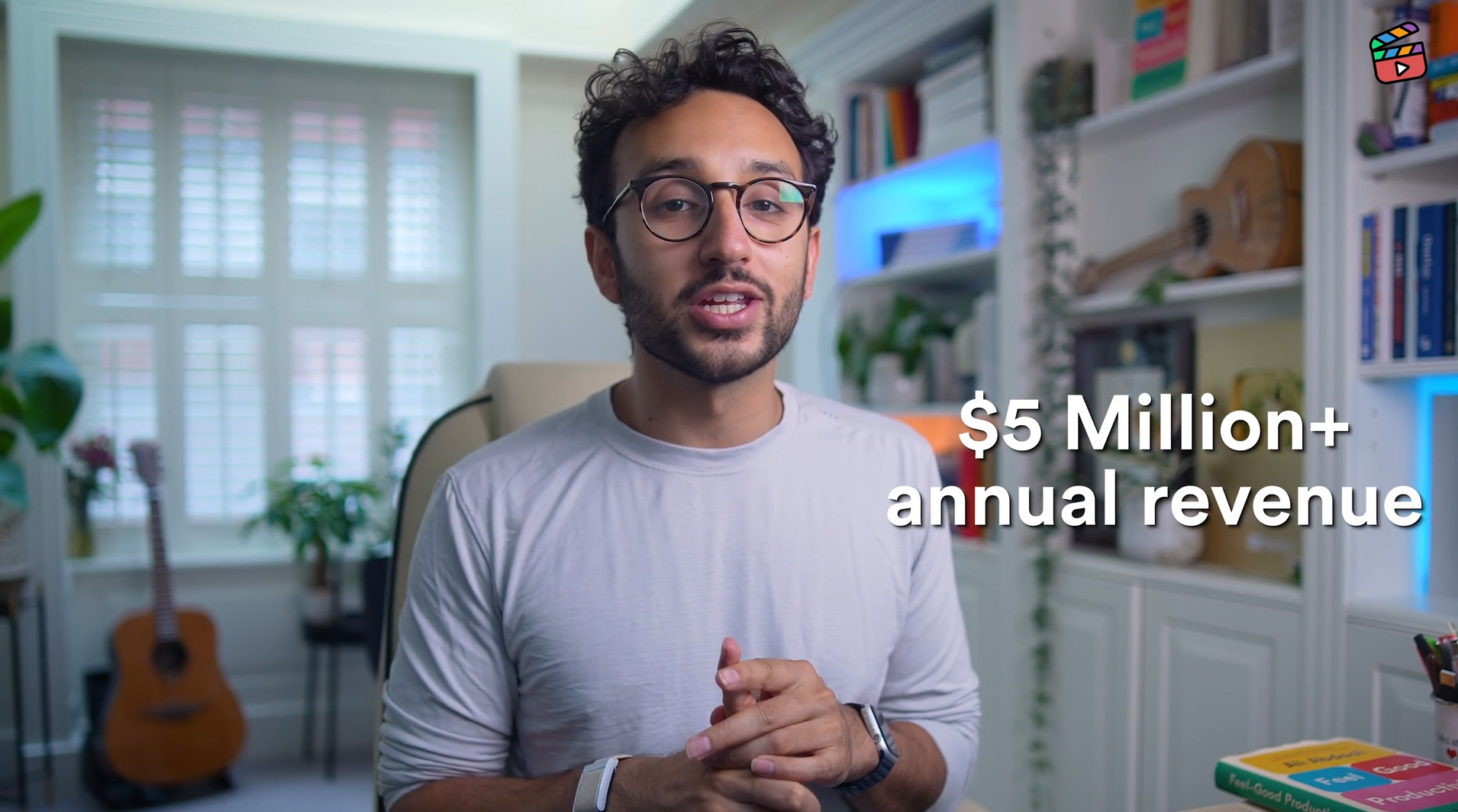
A lot of students end up hitting around 1,000 subscribers and making $200 or more per month within six months. That’s not magic, but it’s realistic when you’re actually publishing instead of overthinking.
One big reason PYTA beats free resources is accountability.
Free YouTube advice is everywhere, but it’s rarely organized. I see people waste weeks stressing about gear instead of posting videos.
PYTA pushes you to ship content through module checkpoints, and you need to submit videos to get a refund. That alone nudges you to actually do the work.
That said, it’s not for everyone. If you’re already editing and posting weekly or you’ve passed the 500-subscriber mark, you might be fine sticking with free tools like TubeBuddy.
And if you’re the type who buys courses and never opens them, this probably won’t magically fix that.
With the $59.99 New Year sale, PYTA feels like a low-risk investment, especially with the 30-day guarantee after completing three modules and two videos.
For busy professionals, that reassurance matters. The best return really comes from the fact that it fits real life. It helps build a side income without flipping your entire lifestyle upside down.
Casual hobbyists or people chasing viral hits might be better off sticking to free content.
What really clicked for me with PYTA is how clearly it’s built around tight schedules. Everything feels designed for people who don’t have endless free time.
The Infinite Content Engine, for example, helps me come up with video ideas consistently without burning out. It’s a repeatable process, which means I can batch ideas and even plan content during work hours if needed.
The H.I.V.E.S framework is another big win. It breaks scripting down into hook, interest, value, engagement, and summary.
With that structure, writing an eight-minute script can take under 30 minutes. That’s huge when you’re squeezing this in after dinner or once the house finally gets quiet.
I also appreciated how much time the gear and outsourcing resources save.
The Ultimate Gear Guide keeps things simple and budget-friendly. Think smartphones and affordable lighting rather than expensive cameras. It took away that feeling that I needed to buy everything before I could start.
To generate ideas, the Idea Generation Machine uses a seven-part framework that draws on what you already know.
I can brainstorm during a lunch break or while commuting, which makes content creation feel way less heavy.
Once a channel starts making money, the Outsourcing Almanack comes into play.
It includes job descriptions and checklists that make hiring an editor feel less intimidating. That’s how you grow without adding more work to your own plate.
There are also tools focused on standing out, like the Creator’s Compass and Identity Analyst templates.
These helped me line up my strengths with what an audience actually wants, which matters a lot in crowded niches.
The interviews with creators like Mrwhosetheboss were a nice bonus. Hearing how people with a combined 36 million subscribers actually work behind the scenes felt practical, not aspirational.
I could pick out ideas that fit a nine-to-five lifestyle instead of trying to copy someone with unlimited time.
When I looked at the time side of PYTA, it actually felt pretty realistic. Most busy professionals can complete the core modules in about 6 to 8 weeks if they put in 5 to 7 hours a week. That usually means evenings and weekends, which makes it easier to plan around work and family life.
The bare minimum is around four hours a week. I’d break it down like this. One hour watching lessons at one and a half speed. One hour scripting two videos using the H.I.V.E.S templates.
One hour of filming clips on your phone. Then another hour for basic edits and thumbnails. It’s not glamorous, but it’s doable.
If you can stretch to seven hours a week, things move faster. That extra time lets you dip into bonus modules, such as the outsourcing guides. It helps you build skills sooner and avoid redoing things later.
That said, finishing the course isn’t automatic. Around 60 percent of people actually complete the core lessons.
A lot of drop-off happens around week four, usually when editing starts to feel exhausting.
Parents and people in high-stress jobs struggle more if they don’t lock in a clear schedule.
From what I’ve seen, full-time workers do best when they batch everything. Lessons on Monday nights.
Scripting on Tuesdays. Filming on the weekend. I even kept a simple spreadsheet to track progress, which helped more than I expected.
Realistically, you start seeing traction after about eight weeks. Posting two videos a week using the PYTA system usually gets early views in the 100-500 range. From there, consistency starts to stack up.
The biggest mindset shift for me was letting go of perfection. Rough first drafts are more than satisfactory. The polish can come later once there’s momentum or even some revenue.
When I tried mapping this out in real life, it helped to think in terms of actual days rather than vague “I’ll work on YouTube later” plans.
If you’re working full-time and don’t have kids, a six-hour weekly setup is pretty manageable.
For me, Monday looked like about 45 minutes of lessons over dinner at one and a half speed.
Tuesday was an hour to script two videos using the H.I.V.E.S framework. Wednesday was another 45 minutes to film rough takes on my phone in a quiet room. Nothing fancy, just getting it done.
I kept Thursday completely off to breathe. Friday needed about an hour for basic edits in something simple like CapCut.
Then Saturday morning was a longer block, around 90 minutes, to polish the videos, make thumbnails, and upload. Sunday stayed totally free, which mattered more than I expected.
If you’re a parent or juggling a high-stress job, cutting things down to five hours max makes more sense. I’ve seen this work really well.
Monday becomes 30 minutes of lessons during kid cleanup.
Tuesday is 45 minutes of scripting, sometimes as voice notes while eating. Wednesday is another 45 minutes of filming after bedtime, even if that means the laundry room.
Thursday stays off. Friday is about an hour of editing both videos in one go. Saturday morning handles thumbnails and uploads in another hour. If there’s time during naps, quick 20-minute bursts work great for idea generation.
If you’re only able to manage three to five hours, the first thing I’d drop is the bonus modules. Post one video a week instead of two, and put your energy into scripting and thumbnails instead of perfect audio.
These kinds of plans usually lead to eight to twelve videos a month while keeping most evenings free. And if you miss a day, it’s not the end of the world.
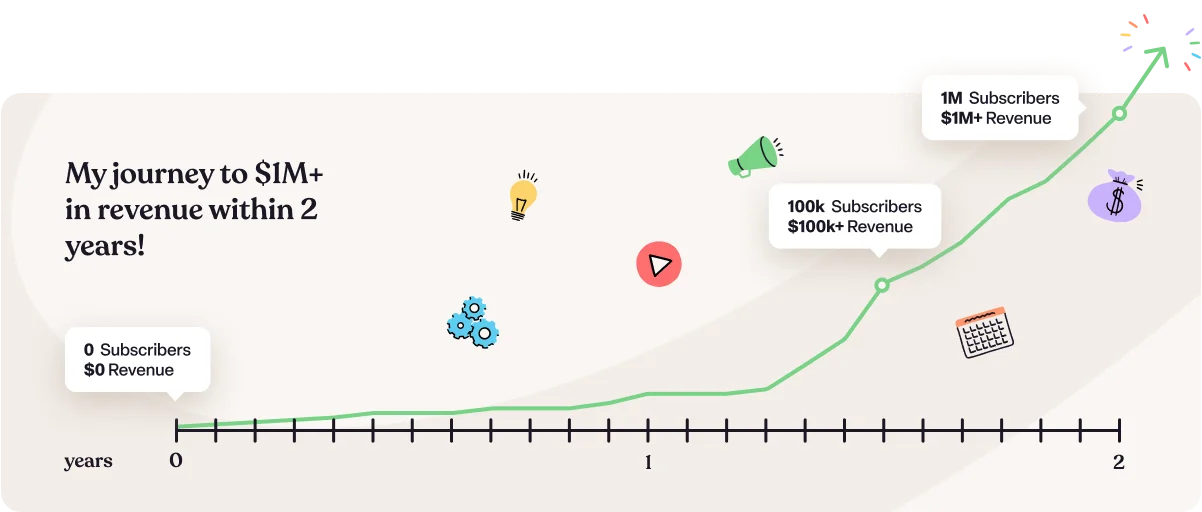
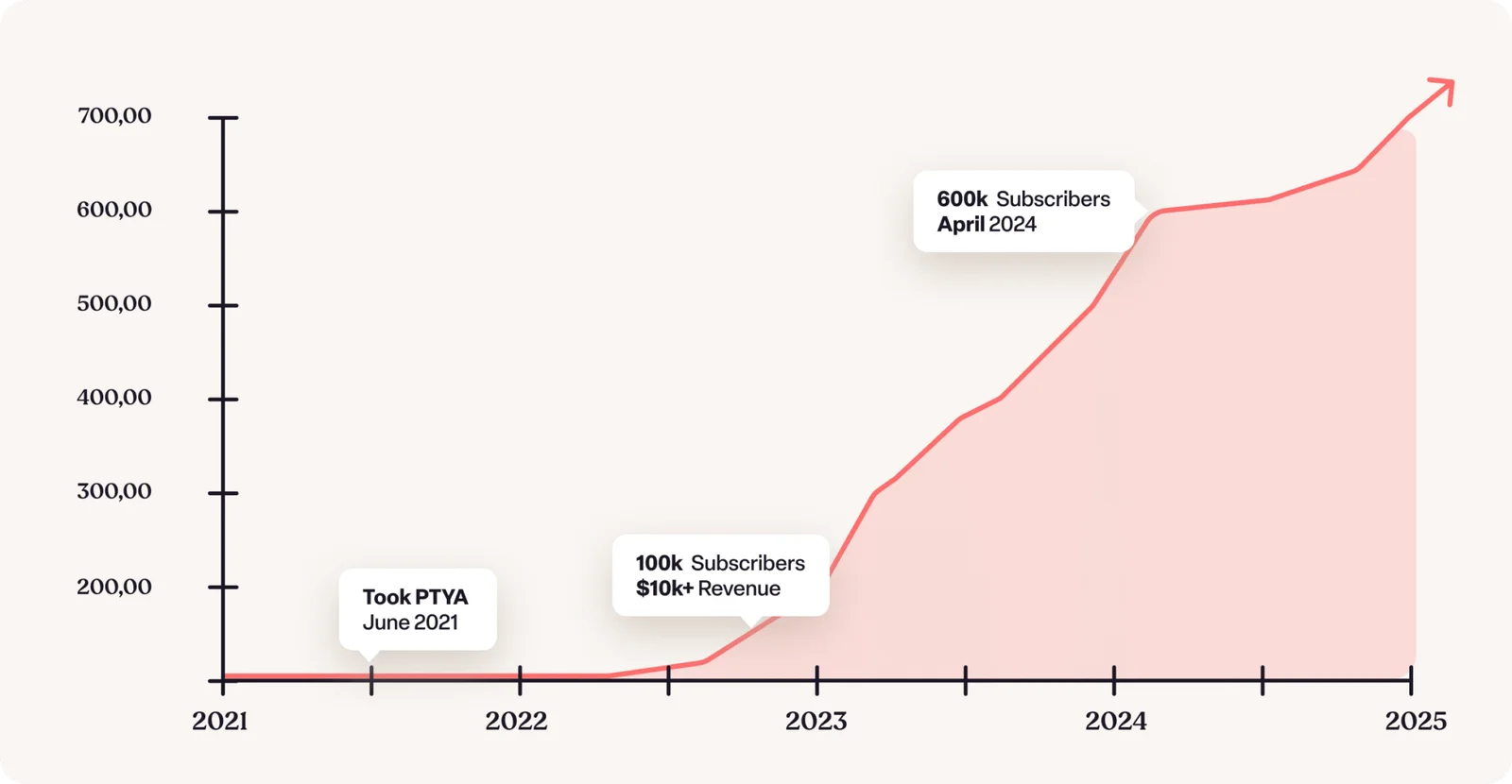
Looking at results over time helped me set realistic expectations. For PYTA students who actually post consistently, the first clear milestones usually show up around month three.
With two videos a week in niches like productivity or career advice, it’s common to land somewhere between 200 and 500 subscribers.
Early on, videos might get around 100 views, but by month three, that often grows to 500 or even 2,000 as retention improves using the H.I.V.E.S scripts.
By month six, many people reach the 1,000-2,000 subscriber range. At that point, watch time starts doing some heavy lifting, and the algorithm gives you more chances.
The top performers, especially those who really dial in their thumbnails, can push past 5,000 subscribers and see a much broader reach.
Money usually starts small but follows a pretty steady path. Around month three, AdSense kicks in once you pass 1,000 subscribers.
That might look like $2 to $6 per thousand views at first. Affiliates can make a bigger difference early on, adding anywhere from $50 to $200 per video when you’re recommending tools you already use.
By month six, many students are earning between $200 and $500 a month. That often comes from averaging around 3,000 views per video with solid retention.
Sponsorships usually don’t show up until after 10,000 subscribers, but when they do, they can pay $300 to $1,000 per deal.
For me, success as a working professional isn’t about chasing viral hits. It’s about building income that doesn’t require daily stress.
I’ve seen examples that made this feel very real. One student pulled in $1,200 in month six from Excel tutorials while keeping a corporate job.
Another reached $400 a month sharing simple parenting hacks.
All of this assumes five to seven hours a week and zero virality.
The PYTA approach focuses on searchable, how-to content that compounds slowly and steadily. I always recommend tracking your first 12 videos closely. That gives you a clear sense of whether you’re on pace without getting lost in hype.
I’ll be honest, PYTA isn’t a good fit for everyone in 2026. There are a few situations where I’d say it’s better to save your money.
If you’re already editing and posting videos every week or you’ve passed the 500-subscriber mark, you’re probably fine without it. Free tools like TubeBuddy can handle analytics and thumbnails at that stage just as well.
If you’re chasing viral hits or looking for shortcuts, this course will feel slow. PYTA is all about steady growth through searchable how-to content, not jumping on trends or gaming the algorithm. Results take months, not days, and patience matters.
I’d also skip it if you tend to buy courses and never open them. PYTA asks for about five hours of action every week. Without actually doing the work, nothing changes, and the channel goes nowhere.
Total beginners who freeze up on camera might struggle too. The course pushes you to start filming on your phone pretty quickly.
If speaking to a camera feels impossible right now, it might help to work through free public speaking content first, like Toastmasters videos.
Another tricky spot is not having a clear niche. PYTA works best when you already have something specific to talk about, like Excel tips, career advice, or parenting hacks. Vague ideas usually turn into scattered content and stalled views.
Big red flags for me are expecting overnight fame or thinking daily uploads fit around a nine-to-five job. PYTA helps you avoid beginner mistakes, but it can’t fix mindset issues.
If you’re unsure, I’d test yourself first. Script one video tonight using a free hook framework. If you can’t get through that, free YouTube tutorials are probably the better path for now.
There are solid no-cost resources out there, like Think Media’s scripting guides. I’d save the $59.99 sale for people who know they can show up and follow through.
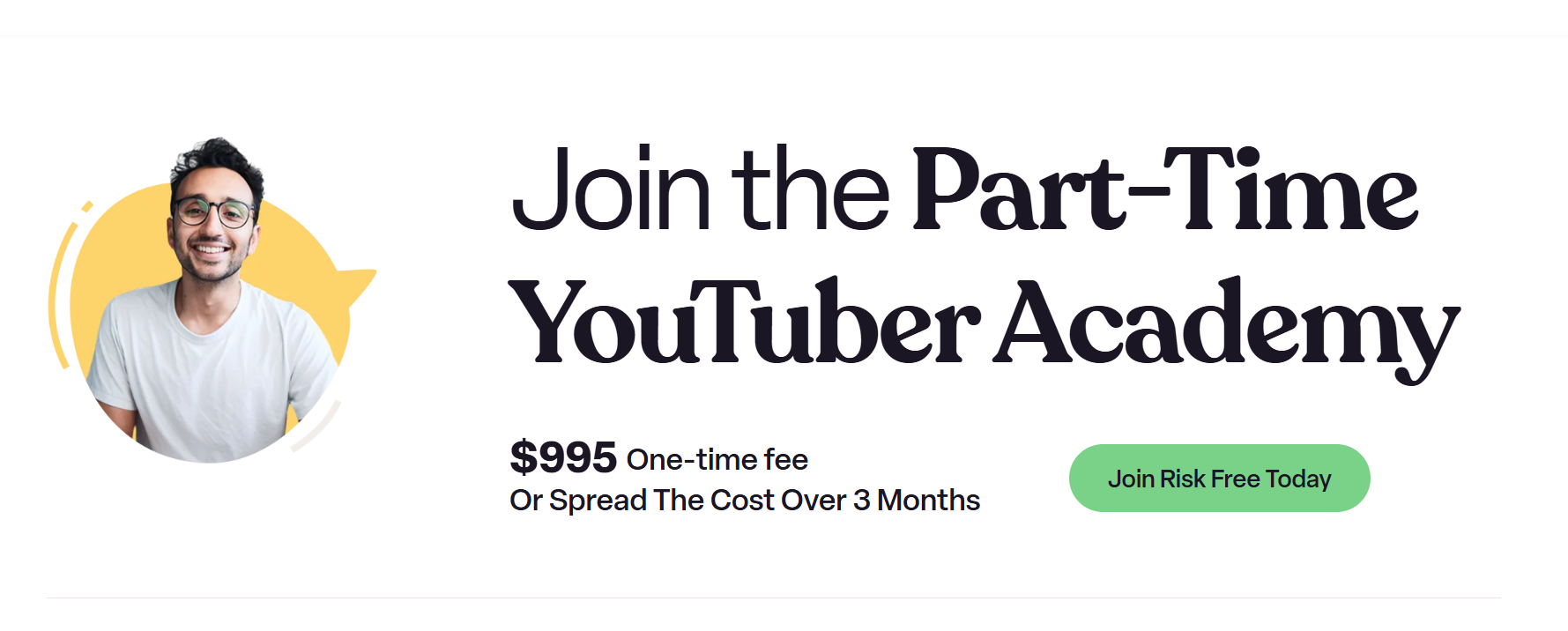
Part-Time YouTuber Academy lists typically at $995 for full lifetime access.
That covers the core lessons, bonus modules, templates, and creator interviews. They also let you spread payments over three months if that works better for you.
The New Year sale drops it way down to $59.99. That’s about a 60 percent discount from the regular price.
There aren’t any hidden upsells, except for optional one-on-one coaching, which costs extra.
For busy professionals like me, I see PYTA more as an investment than just a course.
The templates alone save you around 20 hours of trial-and-error scripting, which basically equals higher hourly earnings at your day job.
Compare that to agency feedback, which can run $200 a session. PYTA beats that on price, tested systems, and free resources?
They’re zero dollars, but they can cost you weeks of scattered research and confusion.
If you’re ready to commit five hours a week, now is the time. There’s a 30-day guarantee that refunds the full price after three modules and two video submissions.
That drops to 50 percent later if you don’t meet the effort checks.
If money’s tight, waiting for a sale makes sense. Otherwise, the regular $995 is best for people who’ve already proven they’ll finish.
At $59.99, the risk is minimal, and the upside for disciplined pros is huge. Honestly, in 2026, this feels like one of the highest-ROI side hustle accelerators out there.
PYTA deserves a strong yes for busy professionals in 2026 who match the ideal profile. You hold a full-time job with niche expertise, such as career tips or productivity hacks.
I like to test decisions with three simple questions. Can you block out 5 hours a week, like gym time? Do you have a niche with searchable how-to topics? Have you finished courses or hit content goals before?
If the answer is yes to all three, go ahead and start scripting tonight. You can realistically hit 1,000 subscribers and $200+ a month by summer. If the answer is no, stick with free YouTube advice and try posting one video first to see what works.
Disclosure: I may receive affiliate compensation for some of the links below at no cost to you if you decide to purchase a paid plan. You can read our affiliate disclosure in our privacy policy. This site is not intending to provide financial advice. This is for entertainment only.


